What is the Best Industrial Shot Blasting Machine in 2026?
In the world of manufacturing, the search for the best Industrial Shot Blasting Machine has become crucial. These machines play a key role in surface preparation. In 2026, advancements are reshaping this industry. Companies seek efficiency and effectiveness. A reliable shot blasting machine can save time and reduce costs.
Choosing the right machine involves several factors. Performance, durability, and user-friendliness are vital. It's not merely about specifications. Reliability matters too. Some machines may disappoint. They could underperform or require constant maintenance. This can lead to unexpected downtime.
Reflection on past experiences is essential. Have earlier machines met expectations? What improvements are necessary? Identifying flaws in performance helps. Ultimately, the future holds promise for better options. With new technology, the best Industrial Shot Blasting Machine will be more accessible. As needs evolve, innovation will drive success.
Key Features of Industrial Shot Blasting Machines in 2026
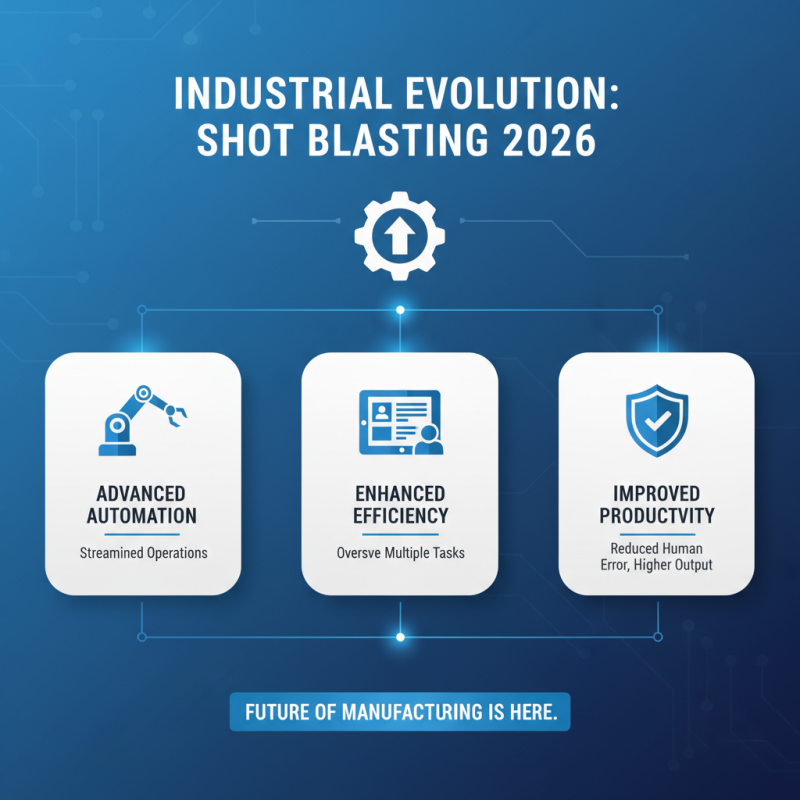
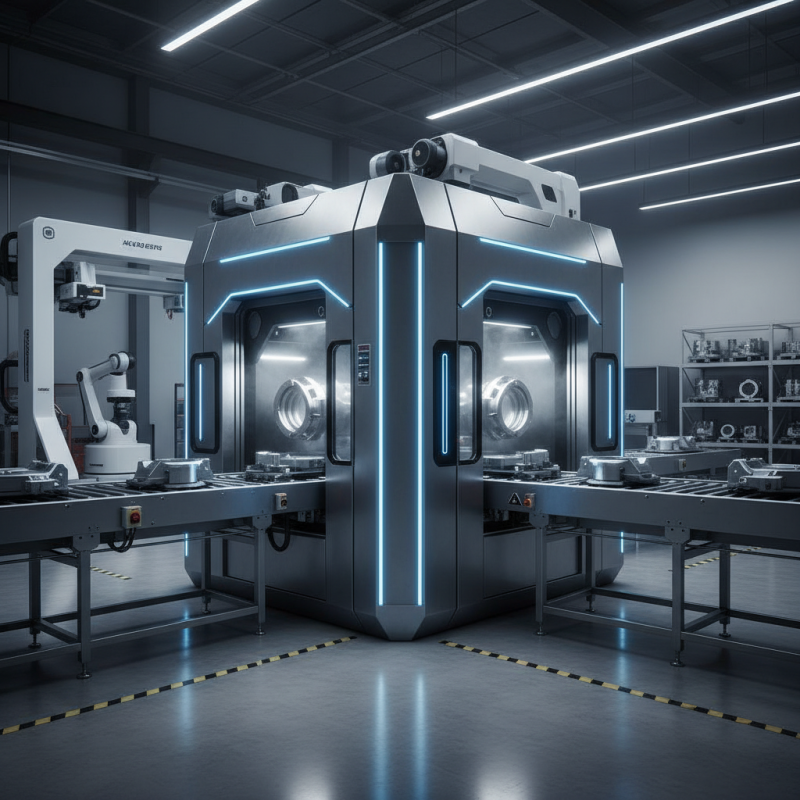
In 2026, industrial shot blasting machines will incorporate advanced features. These machines will enhance efficiency and improve surface quality. A key feature will be the integration of smart technology. This allows operators to monitor processes in real-time. The ability to collect data will lead to better decision-making.
Another critical aspect of these machines will be their versatility. Capable of handling various materials, they will cater to diverse industrial needs. Adjustable settings will accommodate different blasting media. Flexibility is essential for meeting specific customer requirements. However, operators may face challenges in adjusting these settings correctly. Training becomes essential to maximize machine potential.
Furthermore, sustainability will be a significant focus. Machines will be designed to minimize waste and energy consumption. This approach helps industries comply with environmental regulations. Nonetheless, achieving a balance between performance and eco-friendliness may pose difficulties. Companies must carefully evaluate their options to ensure they meet both goals effectively.
Best Industrial Shot Blasting Machines in 2026
This chart illustrates the key features of top industrial shot blasting machines projected for 2026, showcasing various attributes such as efficiency, durability, operating cost, and maintenance requirements.
Top Brands and Manufacturers of Shot Blasting Machines
In 2026, the industrial shot blasting machine market is rapidly evolving. Many brands focus on enhancing efficiency and durability. They cater to various industries, including automotive and aerospace. Each manufacturer brings unique features to the table. These machines often automate processes, saving time and reducing labor costs.
While exploring top brands, one must consider performance and user feedback carefully. Some machines may claim high output, but actual results can vary. Factors like maintenance and ease of use are crucial. Users often face challenges with complex setups. Ensuring that machines meet safety standards is non-negotiable. The best machines should prioritize operator safety and ergonomics.
Furthermore, price won't tell the whole story. Some affordable options might underperform, while high-end models may offer unnecessary features. Potential buyers often overlook the importance of after-sales service. Without good support, even the best machines can cause headaches. In this competitive landscape, reflection on personal needs and operational requirements can lead to better decisions. Are the user experiences matching the promises? That's a question worth considering.
What is the Best Industrial Shot Blasting Machine in 2026? - Top Brands and Manufacturers of Shot Blasting Machines
| Model |
Type |
Capacity (kg) |
Power (kW) |
Cycle Time (min) |
Noise Level (dB) |
| AB-2026-XT |
Hopper Blaster |
1500 |
11 |
3 |
85 |
| BC-2026-PRO |
Roller Conveyor |
2500 |
15 |
5 |
80 |
| CD-2026-ED |
Shot Peening |
800 |
10 |
4 |
82 |
| DE-2026-ME |
Table Shot Blaster |
1200 |
12 |
6 |
86 |
| EF-2026-CY |
Automated Blaster |
3000 |
20 |
7 |
78 |
Comparative Analysis of Performance Efficiency in 2026 Models
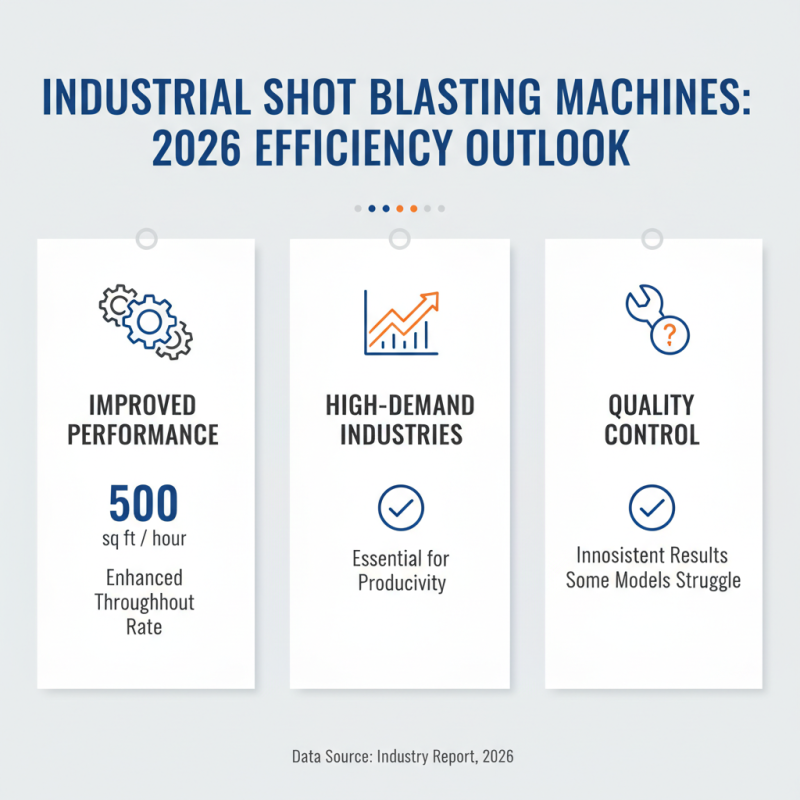
In 2026, the performance efficiency of industrial shot blasting machines has seen notable improvements. Many models now offer enhanced throughput rates, reaching an average of 500 square feet per hour. This significant increase is essential for high-demand industries. However, in practice, some models struggle with consistent quality control.
Noise levels have also decreased, with reports indicating a reduction to 85 decibels in many machines. This is a positive trend for workplace environments. Yet, it’s crucial to evaluate whether this reduction impacts performance. Some users have observed a trade-off.
Energy efficiency remains a key consideration. Reports show that newer models consume 15% less power. While promising, there are concerns regarding long-term reliability. Maintenance costs could rise if energy systems falter. Additionally, the complexity of newer controls may lead to user errors. The balance between innovation and practicality remains a challenge.
Cost Considerations and Budgeting for Industrial Shot Blasting Solutions
When budgeting for industrial shot blasting solutions, companies face various cost considerations. Initial equipment costs can range significantly. A basic shot blasting machine may start at $20,000, while advanced models can exceed $100,000. Operational costs also add to the equation, including energy consumption, maintenance, and labor. According to industry reports, energy costs can account for nearly 25% of the total operational budget.
In addition to direct costs, prospective buyers must consider the long-term implications of their choices. Factors like machine durability and efficiency play a critical role. A robust machine may have a higher upfront cost but saves money in maintenance over time. Alternatively, cheaper machines may lead to frequent repairs or replacements, losing value. Data suggests that companies often underestimate these ongoing costs, which can lead to budgeting oversights.
Moreover, the market trend indicates a growing interest in eco-friendly options. These solutions often come with a premium price but offer long-term savings and environmental benefits. A recent survey highlighted that 40% of companies are willing to invest more for greener technologies. Striking a balance between initial investment and operational efficiency will be crucial for organizations in 2026.