Why Choose a Pipe Blasting Machine for Your Projects?
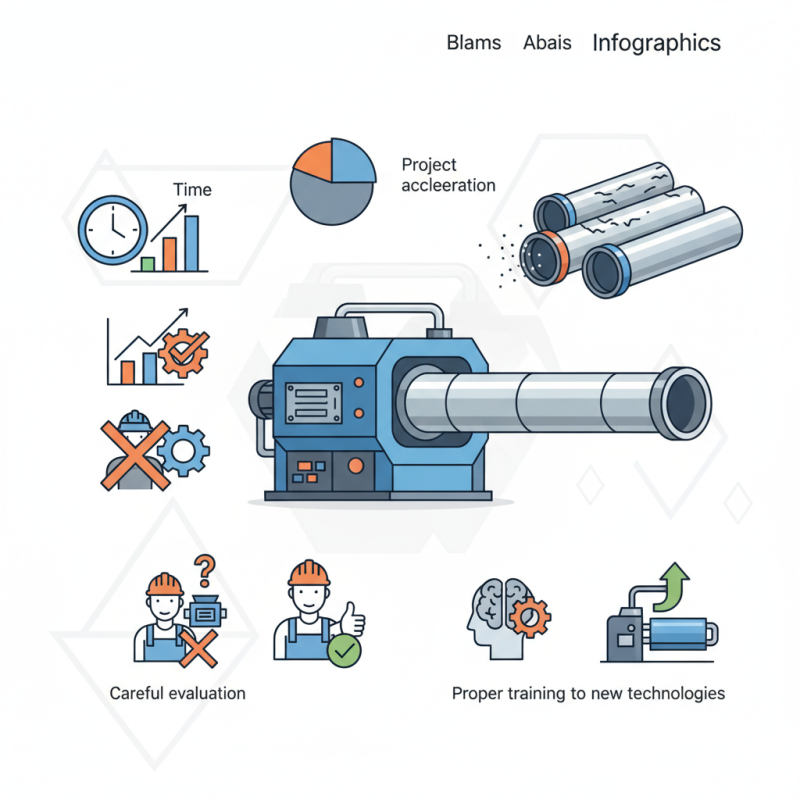
In construction and maintenance projects, efficiency and precision are paramount. The Pipe Blasting Machine addresses these needs effectively. According to recent industry reports, nearly 80% of construction professionals cite time savings as a primary benefit of using blasting machines. This technology allows for rapid surface preparation and coating removal. As a result, projects can progress faster, helping to meet tight deadlines.
Data indicates that traditional methods can be labor-intensive and yield inconsistent results. In contrast, the Pipe Blasting Machine delivers uniform surface finishes and significantly reduces manual labor. However, not all projects may suit this technology. Certain conditions may undermine its effectiveness, requiring careful evaluation before use.
Incorporating a Pipe Blasting Machine can enhance operational efficiency. Yet, it also necessitates proper training for operators. This ensures safety and maximizes the machine's potential. As the industry evolves, adapting to new technologies remains crucial for success. The Pipe Blasting Machine stands at the forefront of this change, but reflection on its application is essential for optimal outcomes.
Benefits of Using a Pipe Blasting Machine in Construction Projects
When considering construction projects, a pipe blasting machine can offer numerous benefits. This equipment is designed to efficiently clean and prepare surfaces for various applications. By using high-pressure blasting techniques, it effectively removes rust, debris, and old coatings. Workers can achieve a smoother finish, leading to better adhesion of new materials.
One essential tip is to choose the right blasting media. Different projects require specific types of media for optimal results. Some materials may be more abrasive, while others are gentler. Make sure to test a small area first. This helps prevent unintended damage.
Another point to reflect on is the training of personnel. Proper training ensures safety and efficiency during blasting operations. Workers should understand how to operate the machine and follow safety protocols. Ignoring this can lead to costly mistakes and injuries.
Lastly, consider the environmental impact. While blasting can be efficient, it can also create dust and debris. Implementing effective dust control measures is crucial. Look for methods that minimize the release of harmful particles. This approach benefits both the project and the community.
Why Choose a Pipe Blasting Machine for Your Projects? - Benefits of Using a Pipe Blasting Machine in Construction Projects
| Benefit |
Description |
Impact on Project |
| Efficiency |
Pipe blasting machines significantly reduce the time required for surface preparation. |
Allows for faster project completion. |
| Surface Quality |
Provides a uniform and consistent surface finish. |
Enhances coating adhesion and overall durability. |
| Cost-Effectiveness |
Reduces labor costs by minimizing manual work. |
Improves budget management for projects. |
| Versatility |
Can be used on various pipe materials and sizes. |
Applicable to diverse construction needs. |
| Safety |
Reduces risk by automating hazardous tasks. |
Enhances worker safety and compliance. |
Key Features of Modern Pipe Blasting Machines
Modern pipe blasting machines offer essential features that enhance efficiency and effectiveness in various projects. One notable feature is the automated control system. These systems allow for precise operation, reducing the chances of human error. Operators can adjust settings quickly, ensuring optimal performance for different types of pipes. This precision is crucial for maintaining quality standards in surface preparation.
Another key aspect is the versatility of these machines. They can handle various materials, including steel and plastic. This flexibility means they are suitable for numerous applications. For instance, industries can use them for cleaning, surface finishing, or even rust removal. However, users need to invest time understanding the specific requirements for each job. Not all machines perform equally well with every material, so testing is often necessary.
Moreover, modern designs prioritize safety features. These include protective shields and emergency stop systems. While these enhancements make operations safer, they can also lead to complacency. Operators might overlook basic safety procedures. Regular training is vital to keeping safety practices at the forefront. Experience can sometimes breed a false sense of security. Continuous learning can prevent accidents and ensure effective use of the machines.
Comparison of Pipe Blasting Machines and Traditional Methods
When considering surface preparation for piping projects, pipe blasting machines offer distinct advantages over traditional methods. Traditional approaches often rely on manual labor, which can lead to inconsistent results. Workers may miss spots, resulting in uneven surfaces. Over-reliance on hand tools also increases the risk of injury. A pipe blasting machine automates the process, ensuring comprehensive coverage and reducing physical strain on workers.
In terms of efficiency, pipe blasting machines significantly cut down project time. Traditional blasting might take days for thorough cleaning. Machines can complete the same tasks in hours, allowing teams to rapidly proceed to subsequent phases. However, the initial investment in these machines can be high. Companies may hesitate to adopt new technology due to budget constraints, even if the long-term benefits are evident.
Moreover, the environmental impact of blasting processes needs consideration. While machines can collect dust and debris effectively, traditional methods often allow particles to blow away. This contributes to air pollution and may violate environmental regulations. Transitioning to machines can align a project with sustainability goals, but it requires an upfront commitment to change. Balancing cost, efficiency, and environmental responsibility remains a critical challenge.
Safety Considerations When Using Pipe Blasting Machines
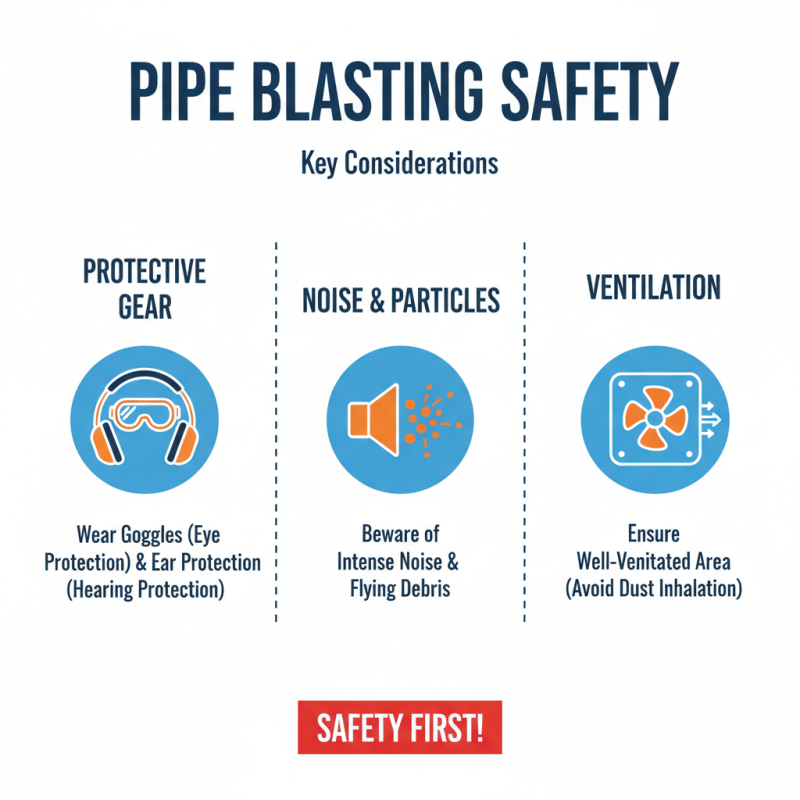
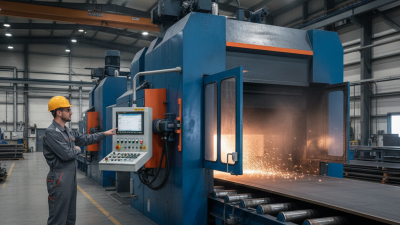
When using a pipe blasting machine, safety is paramount. Operators should wear appropriate personal protective equipment, including goggles and ear protection. The noise can be intense, and particles can fly. Ensuring that the work area is well-ventilated is also crucial to avoid inhaling harmful dust.
Training is essential for all personnel involved. They should understand how the machine operates and what to do in emergencies. Without proper training, mistakes can happen. Operators need to know the limits of the equipment. Misuse can lead to accidents and injuries, forcing teams to rethink their methods.
Regular maintenance of the blasting machine is another safety measure. A well-maintained machine reduces the risk of malfunctions. Operators must inspect the equipment before use. Any signs of wear or damage should be addressed immediately. Ignoring these details can have serious consequences.
Maintenance and Best Practices for Pipe Blasting Equipment
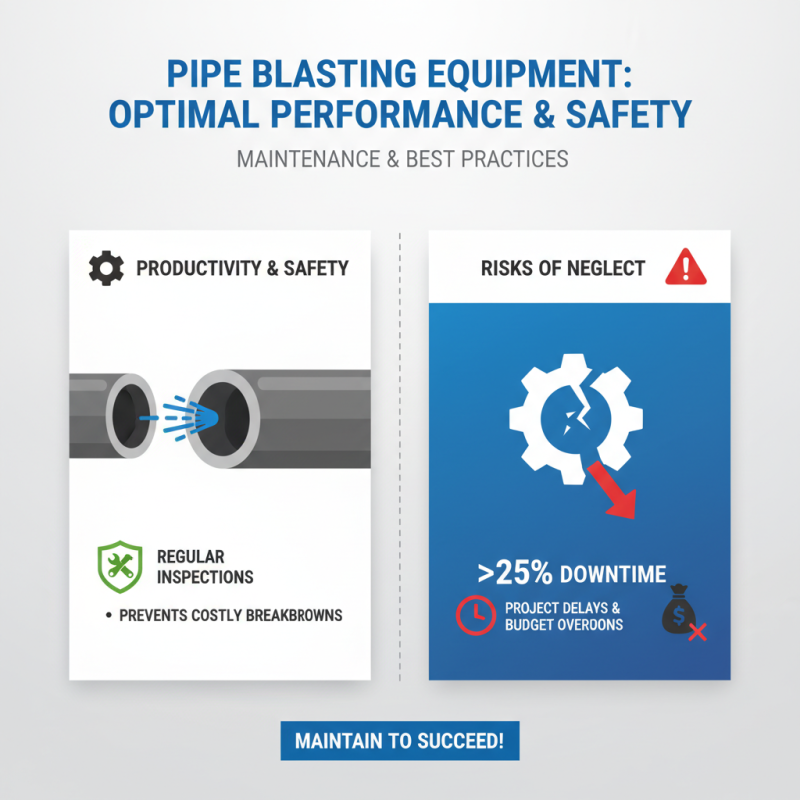
Maintaining pipe blasting equipment is crucial for productivity and safety. Regular inspections can prevent costly breakdowns. According to industry data, neglecting maintenance can lead to downtime rates exceeding 25%. This downtime impacts project timelines and costs significantly.
Best practices involve daily checks of vital components. Operators should inspect hoses, nozzles, and pressure gauges before each use. Cleanliness is equally important; build-up can impede performance. A study noted that proper maintenance practices could increase the lifespan of blasting machines by up to 40%.
Training operators on safety protocols is essential. Many accidents result from misuse or lack of knowledge. It’s common for teams to overlook small issues, like a worn-out seal, leading to leaks. Addressing these issues promptly can save money and lives. Implementing a proactive maintenance approach works wonders. It reduces risks and improves efficiency for every project.