How to Choose the Right Wheel Blast Equipment for Your Needs?
Choosing the right Wheel Blast Equipment can be a challenging task. The industry is vast, with numerous options available. Expert John Mitchell once stated, "Selecting the right equipment is crucial for enhancing productivity and achieving desired results." This insight highlights the importance of informed decision-making.
When evaluating Wheel Blast Equipment, consider the specific needs of your project. The size of the equipment, the type of materials to be processed, and the intended application all play a role. Many users fail to analyze their requirements properly, leading to unsatisfactory results. It's vital to reflect on how each piece of equipment aligns with your goals.
Investing time in research is essential. Ask questions, seek expert advice, and compare different models. However, it's common to overlook certain features or make impulsive choices. Keep in mind that the right Wheel Blast Equipment can vastly improve the efficiency of your operations. Think carefully before making a purchase.
Understanding Wheel Blast Equipment Types and Their Applications
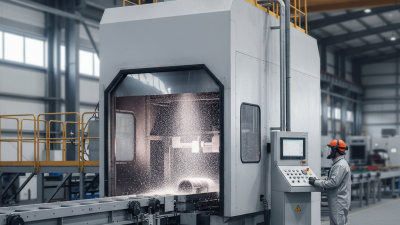
When choosing wheel blast equipment, understanding the types and their applications is crucial. There are mainly two categories: air blast and wheel blast systems. Air blast is suitable for delicate parts and smaller jobs. Wheel blast, on the other hand, is efficient for larger surfaces and heavy-duty applications. Reports indicate that wheel blast systems can improve production efficiency by nearly 30%. This makes them a popular choice in industries like automotive and aerospace.
Tips: Evaluate your project needs before purchasing. Consider the size and material of the items you plan to blast. Wheel blast machines are ideal for high-volume tasks. If your work involves intricate parts, air blast systems may be more appropriate.
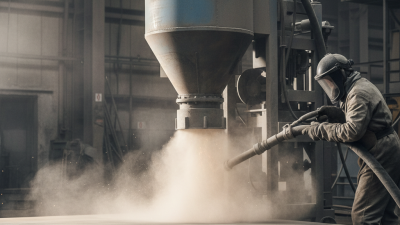
Environmental considerations also play a role. Some wheel blast machines generate a lot of dust. This can affect air quality. A dust collection system is vital to minimize health risks. It's essential to reflect on whether your facility can manage the additional waste this equipment may produce. Many users overlook this aspect, often leading to compliance issues later.
How to Choose the Right Wheel Blast Equipment for Your Needs?
| Equipment Type |
Application |
Advantages |
Considerations |
| Through-feed Wheel Blast |
Continuous production environments |
High efficiency, low labor cost |
Requires ample floor space |
| Hanging Hook Blast |
Complex geometries and large parts |
Versatile, good for varying sizes |
Slower throughput |
| Table Blast |
Maintenance, repair, and smaller parts |
Easy to set up and operate |
Limited to smaller parts |
| Mobile Blast Systems |
Field service, on-site cleaning |
Portable and flexible |
Less powerful than stationary units |
| Wet Blast Systems |
Delicate surfaces, rust removal |
Gentler on surfaces, less dust |
More complex operation and maintenance |
Assessing Your Cleaning Needs and Project Requirements
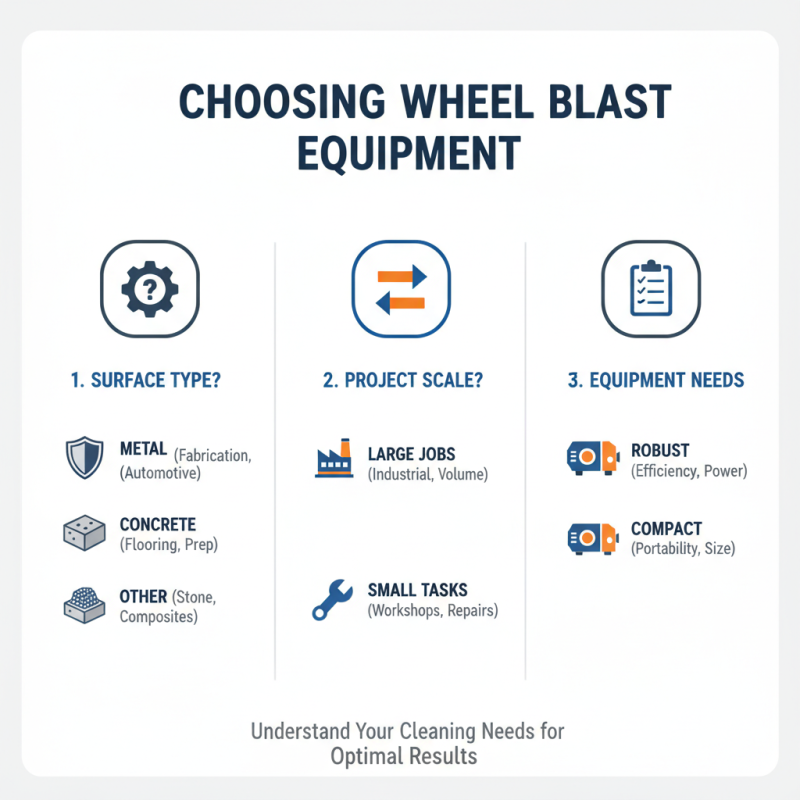
Choosing the right wheel blast equipment starts with understanding your specific cleaning needs. Consider the type of surfaces you will clean. Are they metal, concrete, or something else? Each type requires different approaches. Think about the scale of your projects. Large jobs may demand robust equipment for efficiency. Smaller tasks could benefit from more compact options.
Assess the level of contamination on your materials. Heavy rust or old paint might require more powerful blasting solutions. Conversely, delicate surfaces need careful handling. Analyze the volume of work as well. High-frequency projects might necessitate industrial-grade equipment. For infrequent tasks, renting could be a practical choice.
Evaluate the features that matter most to you. Are you looking for portability, ease of use, or a specific type of media? Reflect on your budget as well. Sometimes, cheaper options compromise quality or capacity. It's hard to balance all these factors. Make lists, note what’s important, and remain flexible in your decisions. This process isn’t simple, but it will guide you toward the right equipment.
Evaluating Equipment Specifications and Features
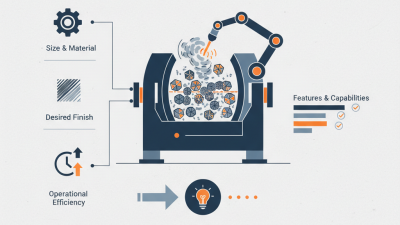
When selecting wheel blast equipment, specifications and features are key. Look for design details like size and weight dimensions. Know your workspace and how much room you have. Compact equipment can save space but might sacrifice power. Larger machines often provide a stronger blast but require more floor space.
Consider the materials you will be working with. Harder materials may need machines with higher impact strength. Also, check the abrasive type compatibility. Some machines work well with steel shots, while others may not handle them efficiently. This could lead to unexpected results that could impact your efficiency.
Don't overlook safety features either. Guards, emergency stops, and proper ventilation are essential. A machine might look good on paper but could pose risks. Reflect on past equipment failures and what you learned from them. Addressing these details can turn a decent investment into a fantastic tool for your operations. Choose wisely to ensure your needs are met effectively.
Comparing Brand Options and Industry Standards
When selecting wheel blast equipment, it's vital to compare brands and industry standards. The market offers various options. A report from the Surface Finishing Association indicates that about 30% of businesses struggle with choosing the right equipment based on their specific needs. This suggests a gap in understanding performance metrics across brands.
Many brands tout their efficiency and durability. However, factors like power consumption and maintenance costs can vary. Industry data shows that users often overlook these details. One study found that 50% of equipment failures resulted from insufficient operator training. This indicates the importance of comprehensive user education when selecting tools.
Investing time in comparing options can yield better results. Aim for equipment that not only meets performance standards but also aligns with operational needs. While certain brands may lead in sales, their long-term reliability often remains untested by end users. Reflection on user reviews and case studies can help inform better choices.
Budgeting for Purchase and Maintenance Costs
When selecting wheel blast equipment, budgeting is crucial. Purchasing costs can vary widely. A basic system might start around $15,000, while higher-end models can exceed $100,000. Maintenance costs are another factor. These range from routine inspections to parts replacement, which can add up over time.
Tip: Consider the total cost of ownership. Look beyond the initial purchase price. Many users overlook ongoing expenses. These can reach 5% to 10% of the equipment cost annually. Regular maintenance is essential for performance. Delayed repairs lead to costly downtime.
Investing in quality equipment can seem daunting. However, it can save money long term. Cheaper options often come with hidden costs. Poor performance may lead to increased labor and material waste. Transparent budgeting helps avoid these pitfalls. Choose equipment that aligns with your needs and future growth potential.