Choosing among the top Industrial Shot Blasting Machine manufacturers requires more than comparing prices, catalogs, or polished factory photographs. The right supplier should understand surface preparation, abrasive flow, dust extraction, machine balance, and long-term maintenance. A machine may look powerful on paper. It can still produce uneven cleaning, excessive media loss, or costly downtime.
Dr. George E. Totten, a respected surface-engineering authority, states, “Preparation quality is measured by performance, not by appearance.” This principle matters when evaluating manufacturers. Reliable companies explain their testing methods, wear-plate materials, turbine efficiency, control systems, and service response. They also ask about your workpieces, production volume, steel grade, surface profile, and required cleanliness level.
Look closely at practical details. Can the conveyor handle your heaviest parts? Are replacement blades available locally? Does the dust collector protect operators and nearby equipment? A strong manufacturer provides measurable answers, not vague promises. Experience matters here. A supplier that has installed machines in foundries, fabrication plants, or structural-steel workshops may identify problems before commissioning.
Yet no ranking is completely objective. A manufacturer praised for automotive production may not suit a small fabrication line. Energy consumption, operator training, factory layout, and abrasive recycling can change the final decision. This guide compares leading manufacturers through technical capability, customization, reliability, support, and demonstrated field experience. Some information may remain imperfect. Buyer feedback can also vary by region and application. That is why site-specific testing and written performance requirements should guide the final purchase.
An industrial shot blasting machine cleans and prepares metal surfaces with controlled impact. It propels small steel, iron, or abrasive particles against a workpiece inside a closed chamber. The impact removes rust, mill scale, paint residue, and casting sand. It can also improve surface texture before coating or welding.
It is not sandblasting.
Common systems use a rotating wheel or compressed air to accelerate the blasting media. A blast cabinet, recovery conveyor, separator, and dust collector work together. In daily factory use, operators check media flow, wheel wear, chamber liners, and dust pressure. These details affect cleaning consistency more than machine size alone. A technician should match the machine to the part’s shape, weight, hardness, and required surface profile. Flat plates may suit a continuous conveyor, while castings often need a tumble or hanger system. The correct exposure time matters too. Excessive blasting can round sharp edges or remove valuable material.
Good practice begins with the manufacturer’s technical data, trial samples, and maintenance records. I would not judge performance from a bright surface alone. A rough finish may still contain trapped scale, while an overly smooth finish may weaken coating adhesion. The first pass is rarely perfect. Operators sometimes overlook media contamination or uneven loading. That mistake deserves review. Reliable equipment also needs sealed access doors, interlocks, ventilation, and documented inspection routines. A clean chamber does not guarantee a reliable result.
An industrial shot blasting machine removes rust, scale, paint, and surface contaminants by propelling metallic or mineral abrasive media against a workpiece. The chart below compares typical abrasive flow-rate ranges for common machine configurations. Actual performance depends on blast-wheel power, nozzle size, abrasive type, workpiece geometry, and production requirements.
Indicative industrial ranges: abrasive flow rates vary by machine design and operating conditions. Higher flow rates generally support greater production capacity but may require increased dust collection and abrasive recycling capacity.
Choosing a leading shot blasting machine manufacturer requires more than comparing catalog prices. Look for proven experience with your material, part geometry, production volume, and surface standard. A supplier should explain how blast wheel speed, abrasive flow, chamber design, and cycle time affect results. Vague promises deserve caution.
Request measurable test data from parts similar to yours. Check surface cleanliness, profile consistency, abrasive consumption, noise control, and dust collection performance. Ask for production references and inspect service records when possible. A reliable manufacturer provides clear drawings, maintenance schedules, spare-part details, and operator training. Their engineers should discuss wear plates, conveyor balance, electrical controls, and safe access points without avoiding difficult questions.
Factory visits can reveal more than polished presentations. Observe weld quality, assembly accuracy, inspection procedures, and final machine testing. Confirm that components meet applicable safety and environmental requirements in your operating region. Talk with existing users about downtime, response speed, and actual maintenance costs.
No evaluation is perfect. I have seen attractive machines underperform because testing ignored irregular parts or changing abrasive conditions. A small pilot trial may expose those weaknesses early.
Also examine communication during the quotation stage. Slow replies, unclear specifications, or unexplained revisions may signal future project delays. The strongest manufacturer is not always the cheapest. It is the one that documents performance, admits limitations, and supports the machine after installation.
Industrial shot blasting equipment varies by part geometry, production volume, and required surface profile. Wheel blast machines suit steel castings, beams, and large batches. They project steel shot through turbines, delivering consistent coverage with lower compressed-air demand. Air blast cabinets provide finer control for aluminum parts, welds, and repair work. Their operators can adjust nozzle distance and pressure around complex surfaces.
Tumble belt machines rotate smaller castings inside a rubber-lined chamber. Parts repeatedly roll through the abrasive stream, reducing manual handling. Hanger and spinner machines suspend components individually. They work well for engine housings, frames, and delicate areas needing directional cleaning. Continuous systems support high-volume lines, but loading accuracy becomes critical. One misplaced part can interrupt production.
Grand View Research has reported steady mid-single-digit growth for the global abrasive blasting equipment market through the decade. MarketsandMarkets also identifies automotive, construction, and metal fabrication as major demand sectors. These trends support investment, but market growth does not guarantee the right machine. Media size, dust collection, reclaim efficiency, and cycle time matter more on the factory floor. A practical trial remains valuable. It may reveal uneven coverage that a specification sheet misses. Operators should inspect anchor patterns, noise levels, and abrasive consumption during testing. The overlooked detail often costs the most.
| Equipment Type | Operating Principle | Suitable Workpieces | Common Abrasive Media | Typical Production Use | Main Advantages | Key Limitations | Important Selection Factors |
|---|---|---|---|---|---|---|---|
| Tumble Belt Shot Blasting Machine | Parts are placed in a rotating rubber or manganese-steel belt while turbine wheels propel abrasive onto the load. | Small to medium-sized castings, forgings, heat-treated parts, and machined components that can tolerate tumbling. | Steel shot Steel grit Cut wire shot | Batch cleaning, descaling, deburring, and surface preparation for foundry and forging components. | Good coverage of irregular parts; relatively simple loading; efficient abrasive recovery; suitable for high batch volumes. | Not suitable for fragile, thin-walled, or easily entangled parts; part-to-part contact may cause cosmetic damage. | Belt material, working load, drum volume, discharge method, turbine capacity, and part fragility. |
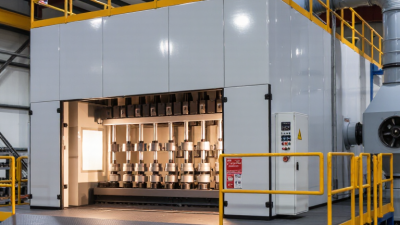
| Spinner-Hanger Shot Blasting Machine | Workpieces are suspended from hooks or a rotating hanger and blasted by one or more turbines. | Large castings, fabricated structures, engine components, valves, pumps, and parts requiring controlled handling. | Steel shot Steel grit | Batch cleaning where complete surface access and reduced part-on-part contact are required. | Good visibility and coverage; handles complex geometries; less impact between parts; flexible fixture arrangements. | Loading and unloading can be slower than continuous systems; fixtures must be designed for part weight and geometry. | Maximum hanger load, hook configuration, rotation speed, turbine position, chamber dimensions, and door arrangement. |
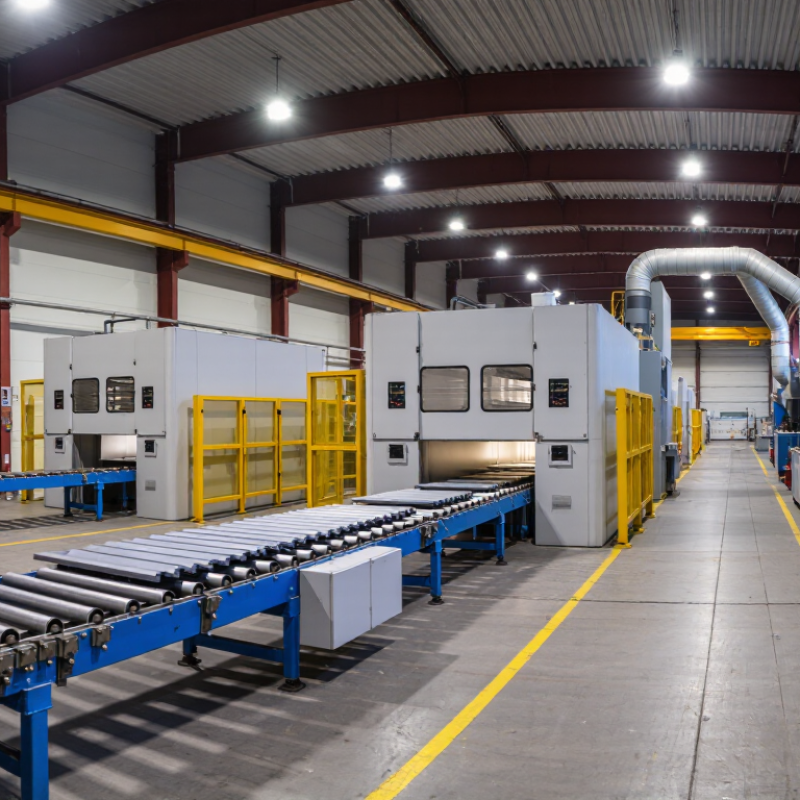
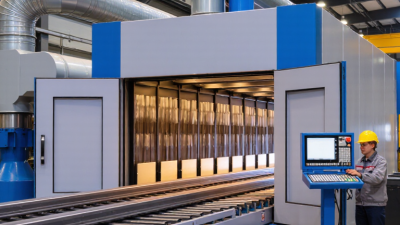
| Roller Conveyor Shot Blasting Machine | Long or heavy workpieces travel through a blast chamber on a roller conveyor while turbines clean exposed surfaces. | Steel plates, beams, profiles, fabricated frames, pipes, and structural steel assemblies. | Steel shot Steel grit | Continuous cleaning and surface preparation before painting, coating, welding, or fabrication. | High throughput; integrates well with automated production lines; consistent treatment of long workpieces. | Coverage can be limited on concealed or downward-facing areas; rollers require protection from abrasive wear. | Maximum section size, conveyor speed, number and angle of turbines, line integration, and dust-collection capacity. |
| Mesh-Belt Shot Blasting Machine | Parts move continuously on a wire or linked-mesh belt through multiple blast zones. | Small castings, aluminum parts, automotive components, heat-treated pieces, and delicate batches requiring controlled handling. | Fine steel shot Cut wire shot Non-metallic media | Continuous cleaning, light descaling, surface conditioning, and preparation for coating or inspection. | Continuous operation; uniform exposure; reduced part accumulation; adaptable to automated loading and unloading. | Mesh wear can increase maintenance; very small parts may require belt selection or screening to prevent loss. | Mesh opening, belt width, line speed, allowable part temperature, turbine arrangement, and media size. |
| Table-Type Shot Blasting Machine | Workpieces are placed on a rotating table and exposed to abrasive streams from fixed or movable turbines. | Large, heavy, or awkward components such as gears, castings, dies, and fabricated parts. | Steel shot Steel grit | Batch cleaning and descaling of parts that cannot be tumbled or suspended easily. | Strong load capacity; good control of part orientation; suitable for heavy components and customized fixtures. | Usually a batch process; shadowed areas may require repositioning or additional blast directions. | Table diameter, rated load, rotation speed, fixture design, turbine throw pattern, and access for loading. |
| Continuous Hanger Shot Blasting Machine | Parts remain on overhead hooks that travel continuously or index through loading, blasting, and unloading zones. | Medium and large castings, automotive parts, fabricated assemblies, and repeat-production components. | Steel shot Steel grit Cut wire shot | High-volume production with repeatable part orientation and automated material handling. | Supports continuous flow; consistent cycle control; can reduce manual handling and labor requirements. | Higher initial complexity; hook spacing and part orientation must match the production sequence. | Line takt time, hanger spacing, maximum load, hook rotation, automation interface, and maintenance access. |
| Wire-Mesh Belt Pass-Through Machine | Parts pass through a tunnel on a moving belt and are blasted from several directions by turbine wheels. | Small and medium components requiring continuous treatment and controlled positioning. | Steel shot Fine steel grit | High-volume cleaning of standardized components before assembly, coating, or further processing. | Easy to connect with upstream and downstream equipment; repeatable cycle time; suitable for automated lines. | Less flexible for highly varied part sizes; belt loading pattern strongly affects cleaning uniformity. | Part dimensions, belt loading density, line speed, turbine overlap, media flow rate, and enclosure design. |
| Air-Blast Cabinet or Room | Compressed air accelerates abrasive through a nozzle, allowing an operator or robot to direct the blast stream. | Precision components, weldments, molds, maintenance parts, prototypes, and surfaces requiring selective treatment. | Steel grit Glass bead Aluminum oxide Mineral abrasive | Low-to-medium volume work, localized cleaning, paint removal, profiling, and difficult-to-reach surfaces. | Highly flexible; precise operator control; suitable for complex shapes and different abrasive types. | Typically lower throughput and higher compressed-air consumption than wheel-blast systems; operator technique affects results. | Cabinet or room size, nozzle diameter, air pressure, abrasive recovery, ventilation, visibility, and operator protection. |
| Pipe and Tube Shot Blasting Machine | Pipe or tube sections rotate and move axially, or pass through a dedicated chamber where turbines blast the outer surface. | Round pipes, tubes, hollow sections, and cylindrical fabricated products. | Steel shot Steel grit | Continuous external descaling and surface preparation before painting, lining, welding, or storage. | Consistent treatment of cylindrical surfaces; suitable for long products and automated handling. | Internal surfaces normally require separate equipment or lance blasting; diameter and length ranges may be limited. | Pipe diameter range, maximum length, rotation method, conveyor design, turbine angle, and required surface profile. |

Selection note: Equipment performance depends on workpiece geometry, material, initial surface condition, abrasive type and size, required cleanliness grade, surface profile, production rate, dust collection, and maintenance requirements. Steel shot is generally used for cleaning and peening, while steel grit is commonly selected when a more pronounced angular profile is required.
The best industrial shot blasting machine manufacturers are often specialists, not general suppliers. Foundry-focused manufacturers design heavy-duty tumble or hanger systems for castings, gates, and risers. Their machines need thick wear liners, reliable abrasive recovery, and easy access for cleaning. In practice, these details reduce production delays.
Structural steel specialists build continuous wheel-blast lines for beams, plates, and welded frames. Their equipment usually includes powered rollers, automatic shot control, and integrated dust collection.
Automotive specialists focus on repeatable surface preparation for engine parts, suspension components, and transmission housings. Precise cycle timing matters here. Even a small variation can affect coating adhesion.
Manufacturers serving aerospace and precision engineering require tighter control. They may provide compact cabinets, programmable recipes, and filtration systems suited to sensitive components. Buyers should examine test reports, operator training, spare-part availability, and service response times. Ask for sample results using your actual workpieces. Catalog images can mislead.
No selection process is perfect. A powerful machine may waste abrasive on small parts, while a compact unit may struggle with heavy loads. I would also question unclear energy figures and vague wear-life claims. The right manufacturer explains limitations, records performance data, and adjusts the design to real factory conditions. That is more valuable than a polished sales promise.
Choosing an industrial shot blasting machine manufacturer requires more than comparing catalog prices.
Match the machine to part size, steel grade, surface profile, and hourly throughput. A reliable supplier should explain wheel speed, abrasive flow, chamber wear, dust collection, and automation limits clearly. Ask for test results using your actual components.
Maintenance evidence matters. Request service intervals, spare-part lead times, energy data, and installation requirements.
The U.S. Department of Energy’s Compressed Air Sourcebook reports that leaks can waste 20–30% of compressor output. This makes pneumatic cleaning and recovery efficiency worth checking.
OSHA’s respirable crystalline silica standard sets an eight-hour exposure limit of 50 micrograms per cubic meter. Therefore, inspect the dust collector design, filter monitoring, and airflow records. Safety claims without measured airflow are weak.
Tips:
Visit an operating reference site, not only a showroom. Ask the manufacturer to run a sample test and document media consumption, cycle time, noise, and dust levels.
Confirm compliance with relevant ISO 12100 and ISO 13849 principles. A low purchase price can hide expensive downtime.
I have seen buyers overlook access doors and filter replacement space. That mistake becomes obvious during the first maintenance shutdown.
Also, request a written acceptance test. It should define surface cleanliness, profile consistency, production rate, and acceptable rework.