Why is Shot Peening Machine Essential for Metal Surface Enhancement?
In today's competitive manufacturing landscape, the role of the Shot Peening Machine is crucial for metal surface enhancement. This process helps improve the fatigue life of metal components significantly. According to a report from the International Society for Surface Engineering, effective shot peening can increase fatigue resistance by up to 80%. Such enhancements can dramatically influence the performance of aerospace and automotive parts.
Industry expert Dr. Steven Harris emphasizes the importance of this technology, stating, "Investing in a Shot Peening Machine is not just a choice; it's a necessity for ensuring component longevity." His insights reflect the growing recognition of shot peening as a vital practice. The benefits go beyond merely extending life expectancy. Metal surfaces achieve better stress distribution, reducing the risk of failures.
Despite these advantages, companies sometimes overlook the initial investment costs associated with Shot Peening Machines. This creates a gap between potential and actual performance. Understanding the importance of this technology is essential for any manufacturer aiming to enhance product reliability and safety. As industries evolve, adapting and investing in metal surface enhancement technologies becomes paramount for future success.
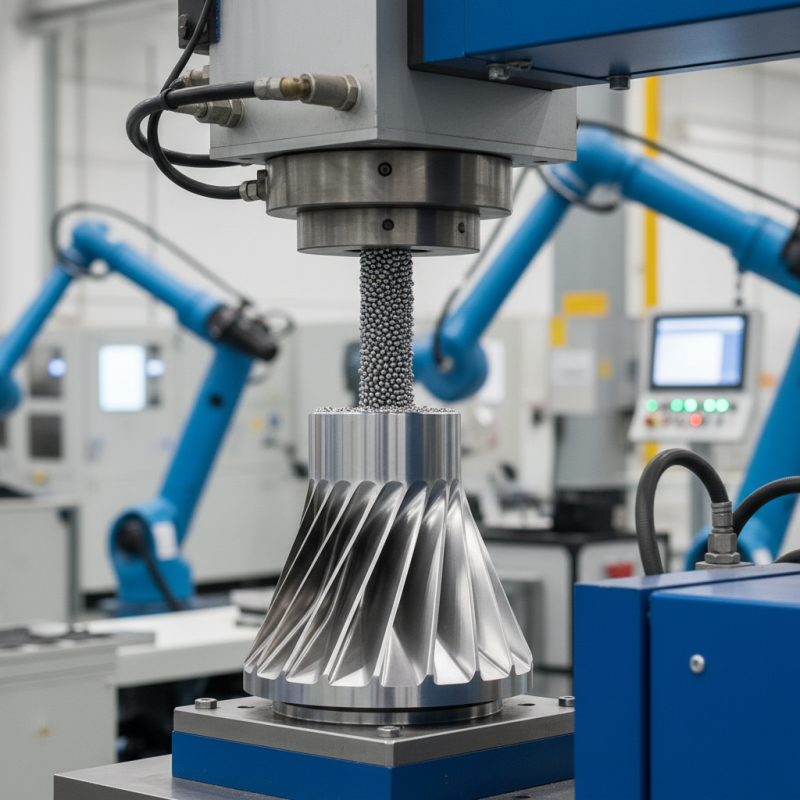
Importance of Surface Enhancement in Metal Components
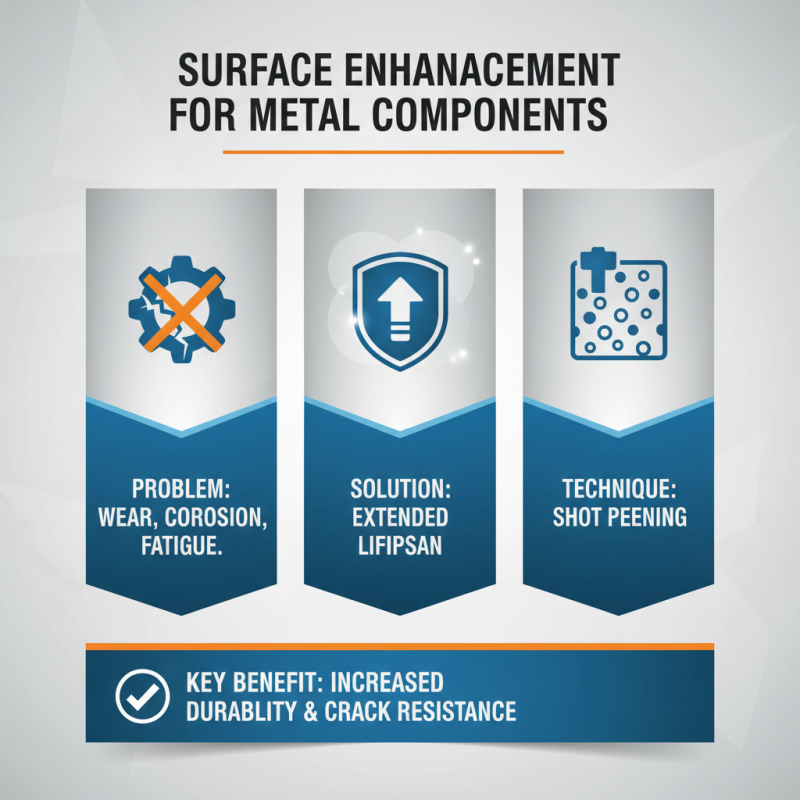
Surface enhancement is crucial in the metal industry. Metal components often face wear, corrosion, and fatigue over time. A proper surface treatment can significantly extend the lifespan of these parts. Shot peening is one such technique. It improves the fatigue life of metal surfaces by introducing compressive residual stress. This minimizes the risk of cracks and extends durability.
The process itself involves bombarding the surface with small metallic spheres. These spheres create small indentations, which contribute to strengthening the material. The resulting surface finish is not just visually appealing; it offers real benefits for performance. Improved resistance to fatigue means less frequent replacements. However, not all metals respond equally to shot peening.
Some metals, like soft alloys, may show reduced performance. They might require additional treatments to gain the desired enhancements. Understanding the right application of shot peening is important for optimal results. Not every application is perfect. There is a learning curve in mastering the technique. Each project may reveal areas for improvement, pushing the boundaries of surface enhancement further.
Introduction to Shot Peening and Its Process
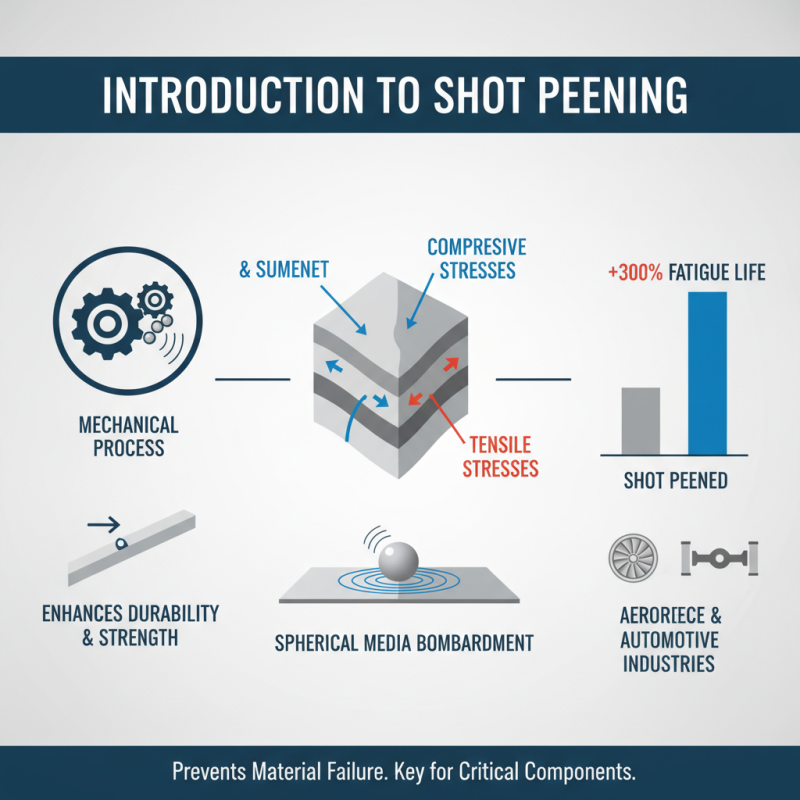
Shot peening is a mechanical process that enhances the durability and strength of metal surfaces. It involves bombarding a surface with small spherical media. This strategy introduces compressive stresses, which counteract tensile stresses that often lead to material failure. Research indicates that shot peening can improve fatigue life by up to 300%. It's essential in industries like aerospace and automotive, where component failures can be catastrophic.
The process not only improves the surface finish but also alters microstructures effectively. The high-velocity impacts create a residual compressive stress layer. Such enhancements prolong the service life of critical components, making shot peening a well-regarded technique. Despite its widespread usage, some engineers may overlook the precise parameters required for effective peening. Adjustments in intensity, media size, and coverage can significantly affect outcomes.
Not all applications benefit equally from shot peening. Inappropriately applied peening might lead to over-stressing, creating unintended damage. A delicate balance is crucial in execution. Experience and detailed knowledge are vital for optimal results. Continuous advancements in shot peening technology lead to more refined processes, yet industry practitioners must remain vigilant about the specific needs of each project to avoid common pitfalls.
Benefits of Using Shot Peening Machines for Metal Finishing
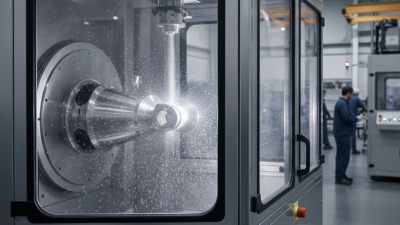
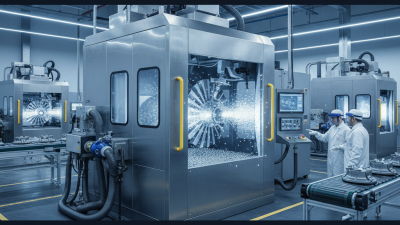
Shot peening machines significantly enhance metal surfaces. This technique involves bombarding the metal with small, round particles. The impact of these particles improves fatigue resistance. In addition, it reduces the likelihood of cracking over time.
One key benefit of shot peening is stress relief. Metals often retain stress from machining or fabrication. Shot peening redistributes these internal stresses, leading to longer product life. This is crucial in industries like aerospace, where metal integrity is vital.
Another important aspect is aesthetic enhancement. The process not only strengthens the metal but also improves its appearance. It leaves a smooth, uniform surface finish. However, achieving the perfect finish can be challenging. Each type of metal may respond differently to peening. This variability requires careful monitoring and adjustment. Being aware of these nuances can lead to better outcomes in metal finishing.
Applications of Shot Peening in Various Industries
Shot peening is a critical process used in various industries to enhance metal surfaces. It involves bombarding the surface of metal components with small spherical particles called shots. This treatment induces compressive stress, which improves fatigue resistance and wear characteristics. In the aerospace industry, shot peening is vital for parts like turbine blades. These components face extreme conditions, so their durability is paramount.
In automotive manufacturing, shot peening is applied to gears and crankshafts. This process enhances their lifespan and performance under high-stress conditions. The medical industry also benefits, especially in the production of orthopedic implants. Improvements in surface integrity lead to better biocompatibility and longevity of implants.
Though effective, shot peening requires careful control of parameters. Factors such as shot size, material, and peening intensity must be optimized. Improper settings can result in surface defects. This highlights the importance of expert knowledge in implementation. As industries grow, the demand for reliable surface enhancement methods like shot peening will continue to rise.
Comparison of Shot Peening with Other Surface Treatment Methods
Shot peening is a vital surface treatment method that significantly improves the fatigue strength of metal parts. Unlike traditional methods, shot peening uses small metallic particles to create compressive stresses on the surface. This process enhances durability and resistance against cracking. Other methods, such as grinding or polishing, tend to remove material, which can weaken the overall structure. However, shot peening retains the metal’s thickness while improving its properties.
When comparing shot peening to chemical treatments, the difference is notable. Chemical methods can alter surface characteristics but often only superficially. They require stringent safety measures and can introduce unwanted contaminants. Shot peening, in contrast, is a mechanical process that does not rely on chemicals. This means it is safer and often more environmentally friendly.
Some might argue that shot peening can introduce residual stresses. This can lead to unintended consequences in certain applications. It’s essential to understand the specific needs of your project. Surface treatment should be chosen based on the material and the desired performance outcome. Testing and research in real-world applications can guide this decision, ensuring optimized results without unnecessary trade-offs.
Comparison of Surface Treatment Methods for Metal Enhancement