Top Rotary Shot Blasting Machine for Global Buyers?
The global demand for efficient surface treatment technology has led to a significant rise in the popularity of Rotary Shot Blasting Machines. According to a recent industry report by Smith & Co., the market for shot blasting equipment is expected to grow at a CAGR of 6.5% through 2028. This growth reflects the increasing need for high-quality surface finishing in industries such as automotive, aerospace, and construction.
Industry expert Dr. Emily Zhang emphasizes the importance of innovation in this sector. She stated, “The effectiveness of a Rotary Shot Blasting Machine lies in its ability to enhance surface quality while minimizing waste.” Her insights highlight the balance manufacturers must achieve between efficiency and environmental impact. This dual focus presents both challenges and opportunities for businesses seeking to optimize their operations.
Despite its advantages, employing a Rotary Shot Blasting Machine requires careful consideration of operational parameters and maintenance needs. Many companies face difficulties in integrating this technology optimally. Acknowledging these challenges allows manufacturers to reflect on their processes and pursue continuous improvement. Investing in advanced machinery is not just about upgrading equipment; it’s about cultivating a forward-thinking mindset in the industry.
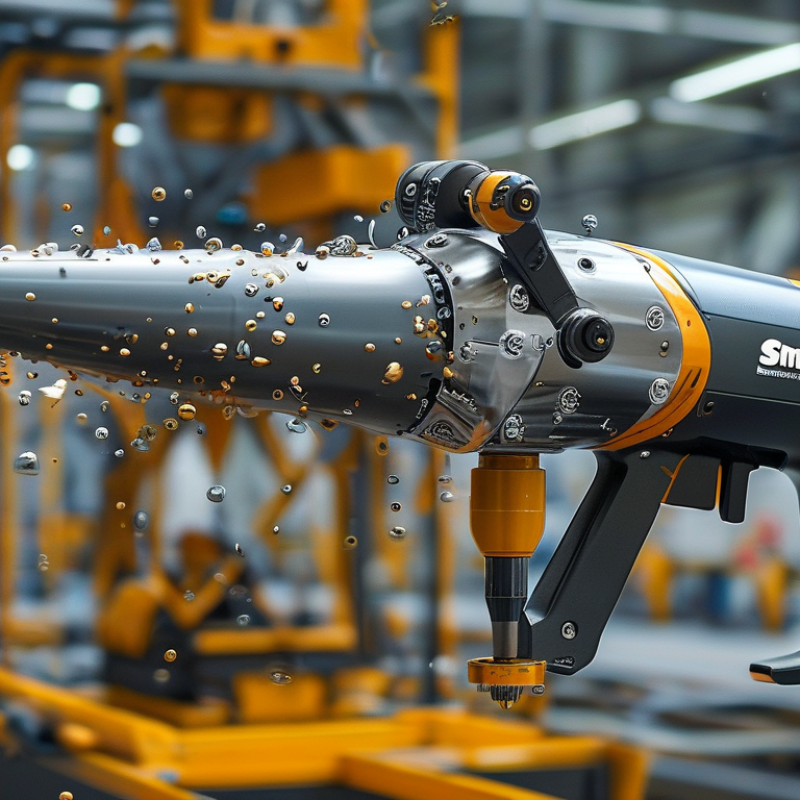
The Importance of Rotary Shot Blasting in Surface Preparation
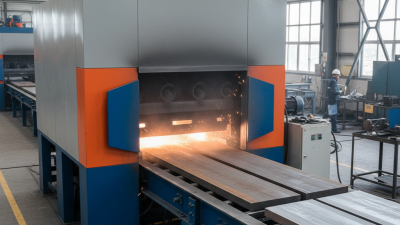
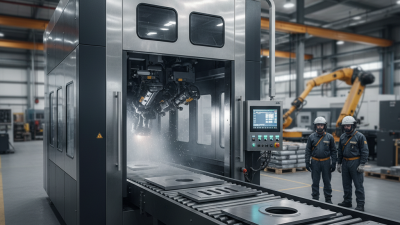
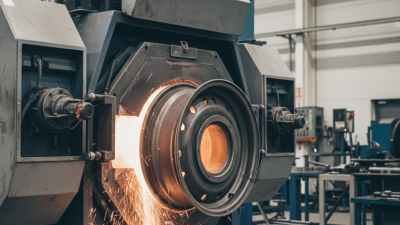
Rotary shot blasting plays a crucial role in surface preparation across various industries. This process utilizes high-speed steel shots to clean surfaces, remove impurities, and enhance adherence for coatings or finishes. By creating a uniform texture, rotary shot blasting improves the durability and quality of the surface treatment.
Tips for effective rotary shot blasting include maintaining the right speed. If the blasting speed is too high, it may cause surface damage. Conversely, a low speed might not achieve the desired cleanliness. Proper shot size is also vital. Adjusting the shot size according to the surface type can prevent rust or pitting.
Quality control during the process is essential. Regularly inspect your equipment to ensure its efficiency. Neglecting maintenance can lead to uneven blasting results. Moreover, consider the environment of the blasting operation. Dust and debris can affect the outcome, so keeping the area clean is important. These details may seem minor, but they significantly impact the effectiveness of the rotary shot blasting process.
Types of Rotary Shot Blasting Machines Available in the Market
When exploring rotary shot blasting machines, understanding the various types available is essential. These machines offer different functionalities tailored to specific industrial needs. One popular type is the turbine shot blaster. This design utilizes a high-speed turbine to propel the shot material onto surfaces. It is effective for large, flat areas but may require adjustments for intricate shapes.
Another variant is the continuous flow shot blaster. This type continuously recycles the blasting media, allowing for efficiency in operation. It is ideal for environments where time is critical. However, users sometimes report issues with consistent media flow. Maintenance can become a challenge, introducing potential downtime.
There are also portable shot blasting machines designed for flexibility. These devices offer versatility, allowing operators to tackle various projects on-site. While convenient, their performance may not always match larger, stationary models. Users should weigh the trade-offs between mobility and power. Each type has unique advantages and drawbacks, demanding thoughtful consideration for optimal use.
Top Rotary Shot Blasting Machines for Global Buyers
| Machine Type |
Applications |
Capacity (kg/hr) |
Operating Power (kW) |
Weight (kg) |
| Rotary Table Shot Blaster |
Automotive Parts, Aerospace Components |
300 |
15 |
1200 |
| Through-feed Shot Blaster |
Metal Fabrication, Castings |
500 |
22 |
1500 |
| Hanger Type Shot Blaster |
Large Parts, Heavy Components |
800 |
30 |
2500 |
| Spin Shot Blaster |
Small Parts, Precision Components |
200 |
10 |
500 |
| Portable Shot Blaster |
On-site Cleaning, Maintenance |
100 |
5 |
150 |
Key Features to Look for in Top Rotary Shot Blasting Machines
When selecting a rotary shot blasting machine, buyers should focus on specific key features. One important aspect is the machine’s versatility in handling various materials. According to industry reports, machines with adjustable speed settings cater to different surfaces effectively. This adaptability can significantly increase efficiency.
Another critical feature is the blasting media control system. Optimized systems can reduce material waste. By managing media flow and usage, companies often see a reduction in operational costs by nearly 30%. Furthermore, monitoring capabilities can enhance precision. The ability to track media consumption aids in maintaining consistent quality.
Durability is also paramount. Several reports indicate that machines made from high-quality materials show 20% longer service lives. Regular maintenance and inspections are crucial but can sometimes be overlooked, leading to potential downtime. Ensuring that a machine is built to last prevents unnecessary disruption.
Lastly, user-friendly interfaces are vital for minimizing training time. Complex machines may lead to operational errors. A simplified control panel can enhance productivity while reducing learning curves. Balancing advanced features with ease of use remains a challenge for manufacturers, but it is essential for overall effectiveness.
Industry Applications of Rotary Shot Blasting Technology
Rotary shot blasting technology plays a crucial role in various industries. This process involves cleaning surfaces, preparing them for coatings, or removing contaminants. Applications can be found in aerospace, automotive, and construction sectors. Each industry has specific requirements, impacting the choice of blasting parameters.
In aerospace, precision is vital. Components must remain free of defects. The rotary shot blasting machine helps achieve the high standards necessary for safety and performance. The machines are adaptable, allowing different materials to be processed effectively. Careful adjustment of parameters ensures consistency across batches.
Tip: Regular maintenance of the blasting equipment is essential. This can prevent costly downtime and ensure optimal performance. Operators should periodically inspect machines for wear and tear.
In construction, the applications may vary from surface preparation of steel beams to concrete finishing. The rotary shot blasting process enhances the adhesion of protective coatings. However, meeting project deadlines can create pressure. Oversight may lead to improper cleaning or surface profiling.
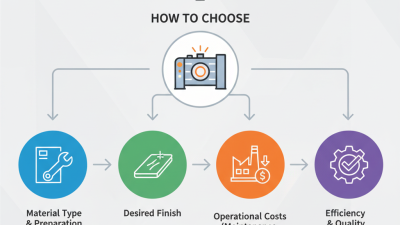
Tip: Analyze project specifications carefully. Understanding the material type and desired finish can help select the right blasting method. Each project teaches valuable lessons, which can improve future operations.
Global Market Trends and Future Prospects for Shot Blasting Machinery
The shot blasting machinery market is evolving, driven by technological advancements and increased demand in various sectors. Recent industry reports indicate a projected growth rate of 5.6% annually until 2027. As industries emphasize precision and quality, rotary shot blasting machines gain traction for their efficiency and effectiveness in surface preparation.
Experts suggest that understanding regional trends is vital for global buyers. For example, Asia-Pacific leads the market, accounting for nearly 45% of total shares. Significant investments in infrastructure and automotive sectors enhance the demand for these machines. Buyers should be aware that varying regulations and standards across regions impact machine specifications and operational efficiency.
**Tip**: Always assess the compatibility of the machine with your specific production needs. Consider energy consumption and maintenance costs. Doing a thorough market analysis can yield better purchasing decisions.
Current challenges, such as supply chain disruptions, lead to fluctuating prices and availability. Buyers must remain adaptable, often reflecting on their procurement strategies amidst these uncertainties. Adapting to changing demands while ensuring compliance can be a balancing act for many global buyers in this dynamic market.
Global Shot Blasting Machine Market Trends