Top Tips for Choosing the Right Shot Peening Equipment?
Choosing the right shot peening equipment can significantly impact your project outcomes. The right tools improve efficiency and ensure optimal results. With various options available, it’s crucial to consider several factors before making a decision.
One critical aspect is understanding the specific requirements of your application. Different materials and parts may require different types of shot peening equipment. This makes it vital to assess your project carefully. Take time to analyze what you need. A mismatch can lead to undesirable effects, such as inadequate surface treatment or compromised part integrity.
Another factor is the reliability of the equipment and the vendor. Research vendors thoroughly. Look for those with proven expertise in the field of shot peening. Read reviews, and request references. Relying on reputable sources can provide the safety net necessary for such specialized equipment. Making informed choices can pave the way for successful project execution and longevity in your applications. Take the extra time; it's worth it.
Understanding Shot Peening: Principles and Benefits
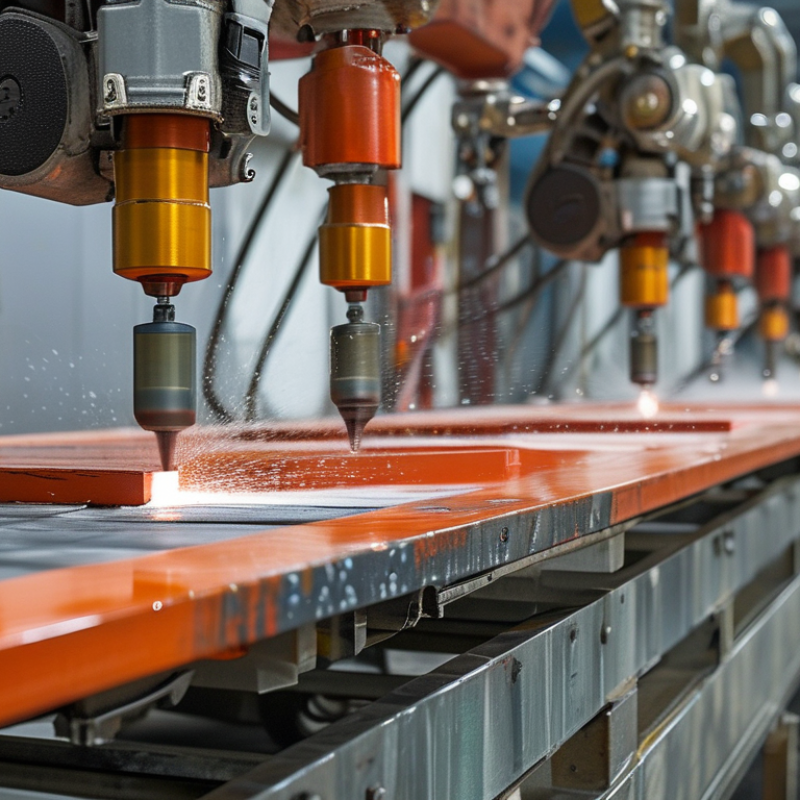
Shot peening is a vital process in material treatment. It enhances the mechanical properties of components. This technique uses small spherical media to bombard surfaces. The impact induces compressive stresses, which improve fatigue resistance and overall durability. According to a report by the International Journal of Fatigue, shot peening can increase the fatigue life of treated components by up to 500%. This substantial improvement underscores its importance in industries such as aerospace and automotive.
When selecting shot peening equipment, consider these tips: Ensure that the machine offers adjustable impact intensity. Different materials require specific energy levels for optimal results. Additionally, look for systems that provide uniform media distribution. This consistency enhances the peening effect across the entire surface. Fine-tuning the equipment can lead to significant improvements in quality.
Understanding the principles behind shot peening is crucial. The choice of media, size, and shape all contribute to the effectiveness of the process. An ideal setup ensures that the treated surface achieves the desired residual stress profile. Reflecting on past implementations may highlight areas needing improvement. For example, inadequate maintenance of equipment can lead to inconsistent results. Investing in reliable machinery is essential to achieving effective outcomes in shot peening.
Types of Shot Peening Equipment and Their Applications
When selecting shot peening equipment, understanding the various types is crucial. There are several methods available, including air-blast, wheel-blast, and shot-peening machines. Each type offers different advantages based on the application's needs. For example, air-blast systems are often used for delicate components. They provide gentle yet effective coverage without causing damage.
Wheel-blast systems are highly efficient for larger parts. They use centrifugal force to propel the media, making them suitable for mass production. This method ensures uniform coverage, essential for enhancing fatigue resistance. It's critical to consider the material type, part size, and desired outcome when choosing between these systems.
While selecting, consider the maintenance and operation aspects. Some equipment requires more frequent checks and adjustments. Often, users underestimate the importance of training. Properly trained personnel can significantly influence the desired results. Every machine has its limitations and quirks. It’s vital to reflect on these factors for effective shot peening.
Key Factors to Consider When Choosing Equipment
When selecting shot peening equipment, several key factors must be considered. The intended application can greatly affect the type of equipment needed. For example, different materials require specific peening intensities. It's crucial to define what you aim to achieve with the process. This clarity ensures that the equipment aligns with your operational needs.
Another important aspect is the size and versatility of the equipment. Smaller, portable units may be preferable for limited space. However, they might lack the power needed for heavy-duty jobs. Evaluating your workspace and the scale of your projects will guide you in making the best choice. Remember, sometimes less is more—smaller systems can be efficient if used correctly.
Maintenance and support are also vital considerations. Reliable equipment often comes from manufacturers with strong customer service. Regular maintenance can prevent costly downtime and ensure consistent performance. It's wise to consult with professionals who understand your industry, as they can provide insight into the best practices. Selecting equipment without thorough evaluation may lead to unforeseen challenges. Take the time to reflect on these factors before making a decision.
Maintenance and Safety Features in Shot Peening Machines
When selecting shot peening equipment, maintenance and safety features are critical. Regular maintenance extends the life of machines. Neglecting this aspect can lead to unexpected downtimes. According to industry reports, approximately 30% of downtime in manufacturing is due to equipment failure. Thus, a solid maintenance plan is essential.
Many machines now include automated tracking for maintenance needs. This feature not only alerts operators when parts require servicing but also enhances overall safety. A reported 40% of workplace accidents occur due to equipment malfunction. Investing in machines with advanced safety features reduces these risks significantly.
Tip: Always check the machine's safety certifications. Ensure it meets mandatory industry standards. Analyze user reviews on safety performance. This due diligence can prevent costly mistakes. A machine may look efficient but lacking in safety measures could jeopardize workers’ safety. Look for clear data on injury rates tied to specific models. This insight is invaluable.
Top Tips for Choosing the Right Shot Peening Equipment
| Feature |
Description |
Importance |
| Type of Peening |
Determine if you need Air, Mechanical, or Wheel Peening. |
Affects the efficiency and quality of the peening process. |
| Automation Level |
Consider fully automated vs. semi-automated systems. |
Impacts production rates and labor costs. |
| Safety Features |
Look for guards, emergency stops, and noise reduction features. |
Crucial for worker safety and compliance with regulations. |
| Material Compatibility |
Ensure the machine can handle the types of materials you use. |
Essential for effective processing and avoiding equipment damage. |
| Size of Workpieces |
Measure the maximum and minimum sizes the machine can accommodate. |
Determines the versatility and usability of the setup. |
| Cost |
Calculate both initial investment and ongoing operational costs. |
Affects overall business profitability. |
| Maintenance Requirements |
Check the ease of maintenance and availability of spare parts. |
Ensures long-term operational efficiency and uptime. |
Cost vs. Quality: Making an Informed Decision on Equipment
When investing in shot peening equipment, cost and quality often clash. You might find inexpensive options that promise great results, but lower cost can mean sacrificing durability and performance. Evaluate the equipment’s long-term benefits against its initial price. Consideration of maintenance, replacement parts, and overall efficiency can shift the balance toward higher-quality choices.
Tips to consider: Always check the specifications. Look for machines that offer flexibility in settings. It helps in achieving the desired outcome. Additionally, assess the support from the manufacturer. Reliable customer service can be invaluable when issues arise.
Do not overlook user feedback and industry reviews. Past experiences shared by others can highlight potential weaknesses. Engaging in forums or seeking expert advice could guide your decision. Remember, misjudging quality for cost-cutting might lead to higher expenses later. You should aim for a balance where equipment meets performance requirements without excessive costs. Make careful choices, and think about the long-term impact on your operations.
Cost vs. Quality in Shot Peening Equipment