Essential Tips for Choosing a Steel Pipe Blasting Machine?
When selecting a Steel Pipe Blasting Machine, understanding the nuances of the industry is crucial. According to a report by MarketsandMarkets, the global surface treatment market is projected to reach USD 5.57 billion by 2025, emphasizing the growing demand for efficient blasting machines. This highlights the importance of investing in high-quality equipment.
Choosing the right machine can greatly affect productivity and surface quality. Companies must consider factors like machine size, blast media type, and operational efficiency. A well-chosen Steel Pipe Blasting Machine can reduce production costs and improve the overall durability of steel pipes. Yet, the selection process is not straightforward. Each company has unique operational needs, which can complicate decision-making.
Industry experts often note that many businesses overlook key specifications. This can lead to subpar performance and costly repairs over time. Finding the ideal Steel Pipe Blasting Machine requires careful analysis and sometimes challenging reflection on current operations. Balancing quality, price, and functionality is essential for long-term success.
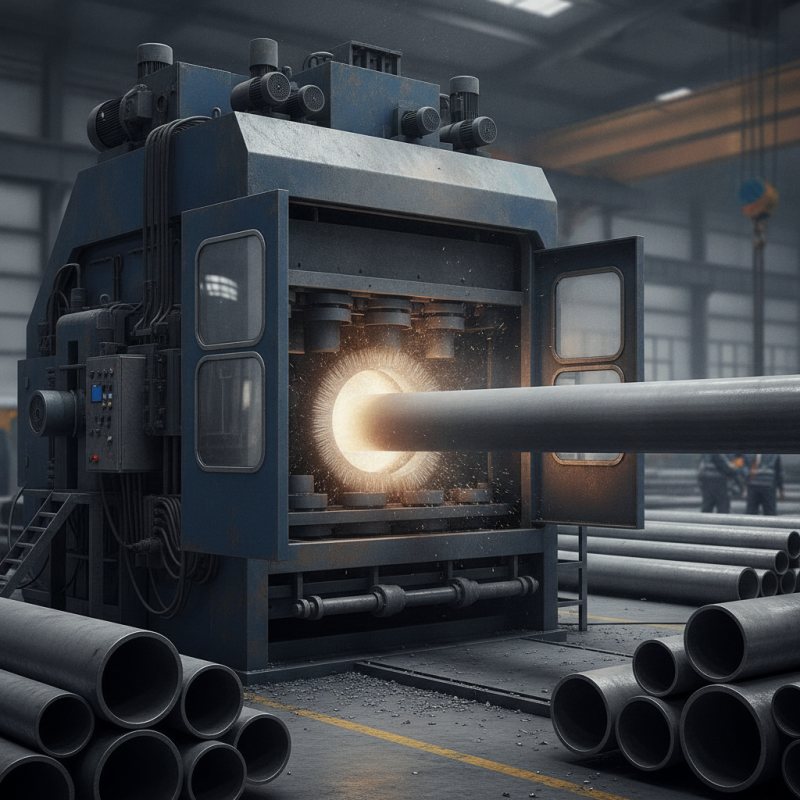
Understanding the Purpose of Steel Pipe Blasting Machines
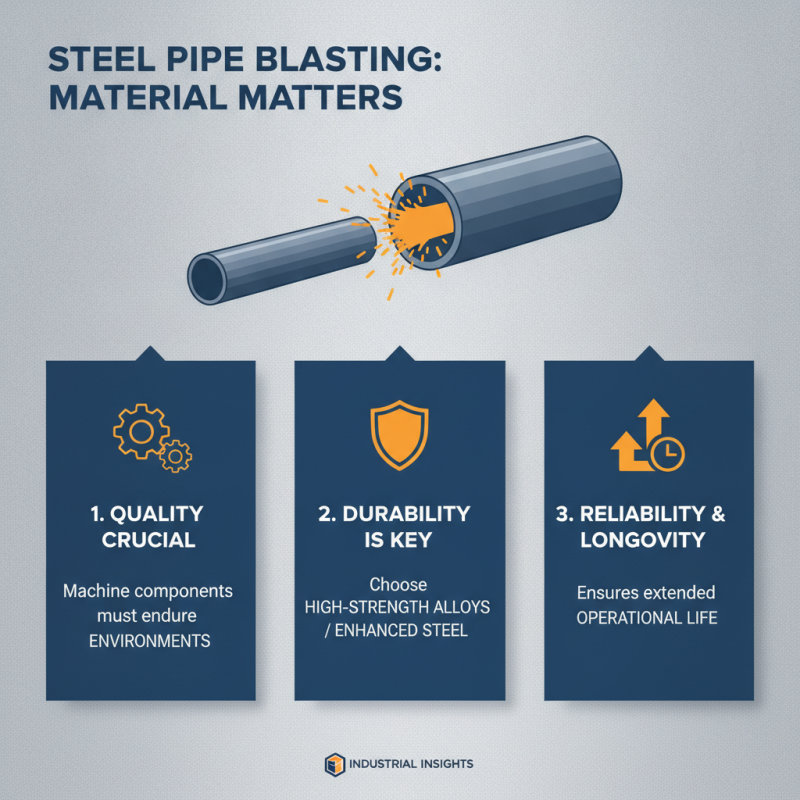
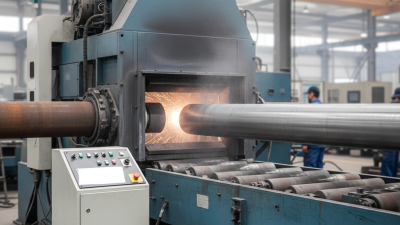
Steel pipe blasting machines play a crucial role in industrial settings. Their primary purpose is to prepare steel pipes for further processing. Surface preparation is key for enhancing paint adhesion and corrosion resistance. The blasting process removes rust, scale, and impurities, ensuring a clean surface.
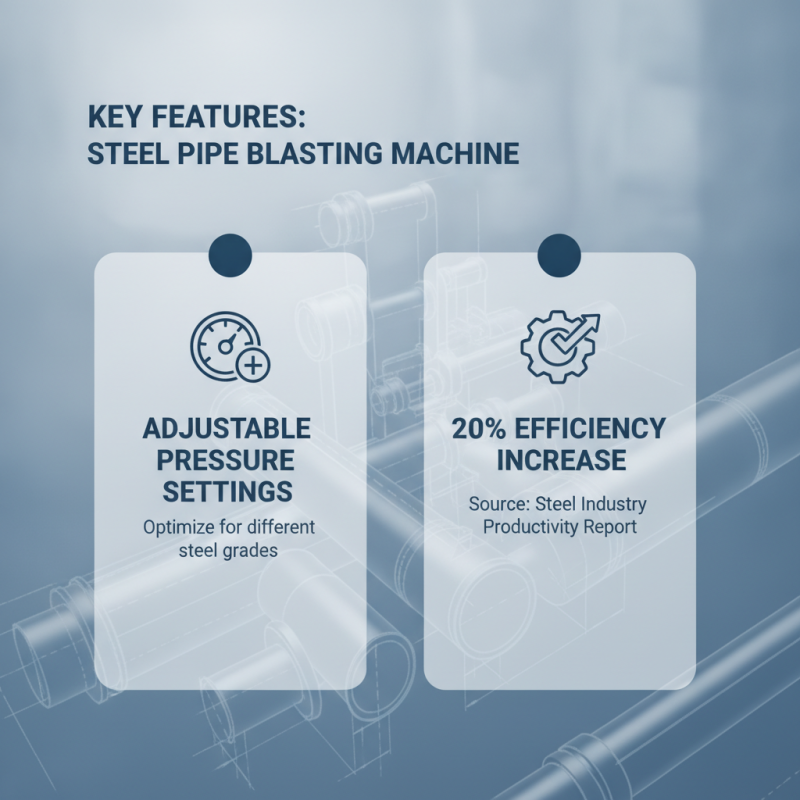
Understanding the specifics of these machines helps in selecting the right one. Factors like chamber size, media type, and airflow mechanics are essential. A machine that is too small may lead to inefficiency, while one that is too large may waste resources. There are various blasting media available, each with its unique characteristics. Choosing the correct type affects surface finish.
Users often overlook the importance of safety protocols when operating such machines. Proper training and equipment maintenance are vital. Issues like inconsistent blasting pressure can result in uneven surfaces. Reflecting on past experiences can inform better choices. Many operators learn through trial and error. Balancing efficiency and quality is a constant challenge in this field.
Evaluating the Size and Capacity Requirements for Your Needs
Choosing the right steel pipe blasting machine involves careful consideration of size and capacity. The size of the machine should match your production requirements. For example, larger operations may benefit from machines with capacities exceeding 200 square feet per hour. A recent industry report indicates that companies achieving this threshold often see improved efficiency in their corrosion removal processes.
Tip: Assess your production volume before deciding. Machines with adjustable capacities can offer flexibility. If your needs fluctuate, opt for a unit with a range that accommodates both high and low demands.
Capacity is critical. A blasting machine with inadequate capacity can lead to bottlenecks. This delays projects and adds unnecessary costs. According to industry studies, using machines that do not meet required specifications can result in up to 30% lower productivity.
Tip: Always evaluate if the machine can handle unexpected peak loads. Machines designed for specific applications might falter under varying conditions, affecting overall reliability. A blend of robust engineering and capacity management may help avoid pitfalls.
Comparing Costs and Warranty Options for Steel Pipe Blasting Machines
When selecting a steel pipe blasting machine, costs and warranty options are crucial factors. The industry average cost for these machines can range significantly, often between $15,000 and $100,000. The price often depends on the model and its efficiency. A more efficient machine may have a higher upfront cost but could save money over time through reduced operational costs.
Warranty options are equally vital. Many manufacturers offer warranties ranging from one year to five years. A longer warranty indicates greater confidence in product durability and performance. In fact, a recent study by the American Society of Mechanical Engineers (ASME) found that machines with extended warranties typically have lower failure rates. The report highlighted that nearly 30% of machines with a one-year warranty broke down within the first two years, compared to only 10% for machines with five-year warranties.
It’s essential to read the fine print regarding these warranties. Some warranties cover only parts, while others include labor costs. A lack of clarity can lead to unexpected expenses. Also, consider the service quality from the manufacturer. Fast support can minimize downtime and contribute to long-term savings. A trusted source can help you navigate these choices effectively, ensuring you make a well-informed decision.
Essential Tips for Choosing a Steel Pipe Blasting Machine
| Feature |
Option A |
Option B |
Option C |
| Initial Cost |
$15,000 |
$17,500 |
$20,000 |
| Warranty Period |
2 Years |
3 Years |
5 Years |
| Operating Pressure |
100 PSI |
120 PSI |
150 PSI |
| Weight |
1,500 lbs |
1,800 lbs |
2,000 lbs |
| Portability |
Mobile |
Stationary |
Mobile |
| Maintenance Frequency |
Every 3 Months |
Every 6 Months |
Annually |